
Everything You Need To Know About Blue Roofs
Daniel Bracewell • 15 September 2021
You may be aware of green roofs, and how adding a layer of vegetation can impact a building’s energy efficiency and the urban environment, but have you heard of blue roofs?
PCB Today
reports that a new ebook has been published by Premier Guarantee, the warranty service for buildings, that has updated guidance for blue roofs, so we have a look at what they are.
What is a blue roof?
A blue roof is a flat roof that features a number of detention ponds that collect rainwater, temporarily string it before releasing it slowly once the rain has stopped.
The water collection can be accomplished through everything from building risers that cause water to dam up in designated areas to installing custom-designed trays for collecting and releasing water.
What are the benefits?
In many urban areas with a combined sewerage system, rain can quickly overwhelm the system, leading to sewage leaking into rivers, lakes, and streams. Blue roofs help to mitigate this risk.
A blue roof can also utilise the stored water in landscaping or in areas where there is a green roof being used.
There are a few things to consider before installing a blue roof on your building:
Cost
- blue roofs are generally cheaper than green roofs.
Load capacity
- pooling water can add a significant load to a roof, so your roofing contractors must verify that your building and roof can support the weight of the water being stored.
Your warranty
- some warranties will stipulate that any roof alterations will void the warranty. Be sure to check your warranty before installing a blue rod, or any other roofing project.
If you’re looking for flat roof specialists in Manchester, talk to us today.
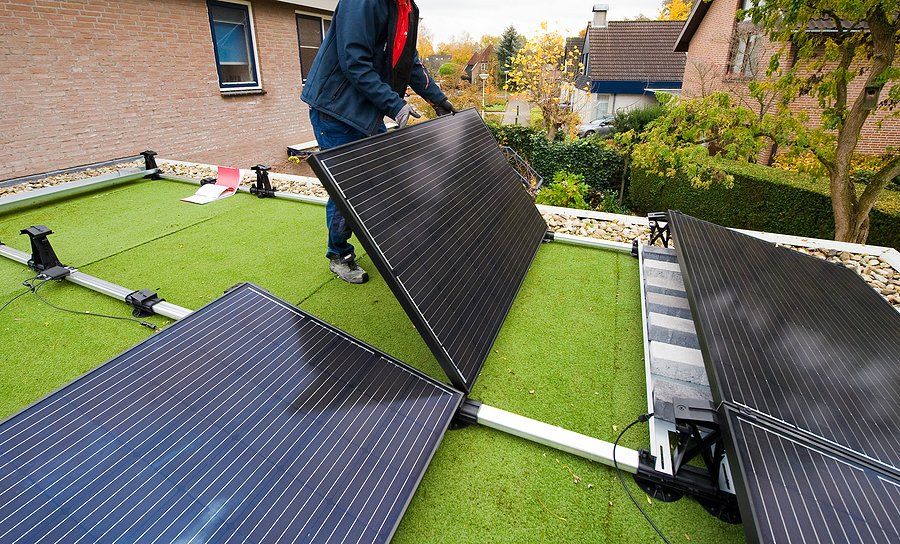
Find out more about installing solar panels on your flat roof, how specialists can help you determine if yours is suitable, and the considerations to make.
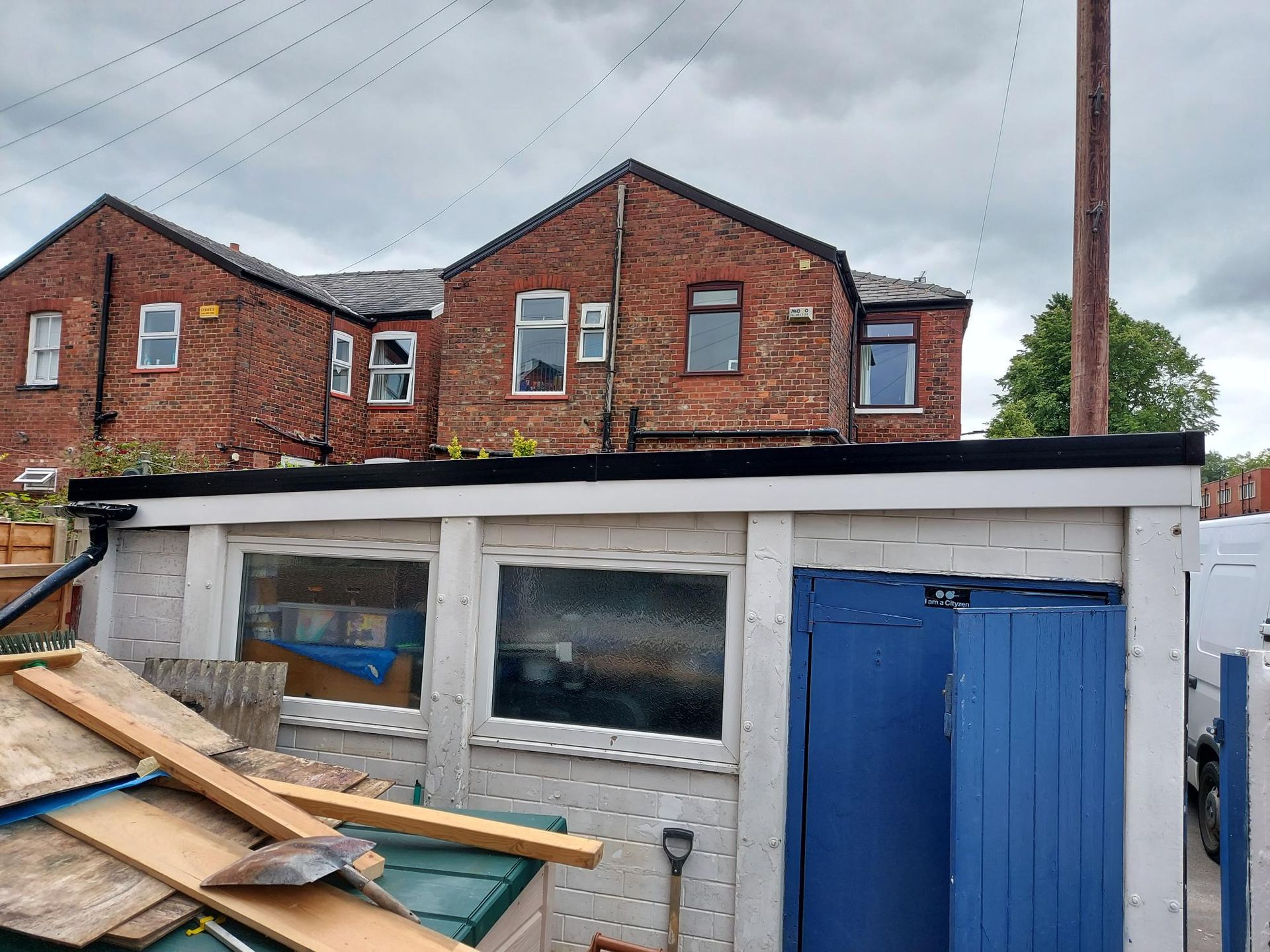
With winter now nearing its end, now is a good time to start planning garage roof replacement work as the weather starts to get warmer, drier and lighter.
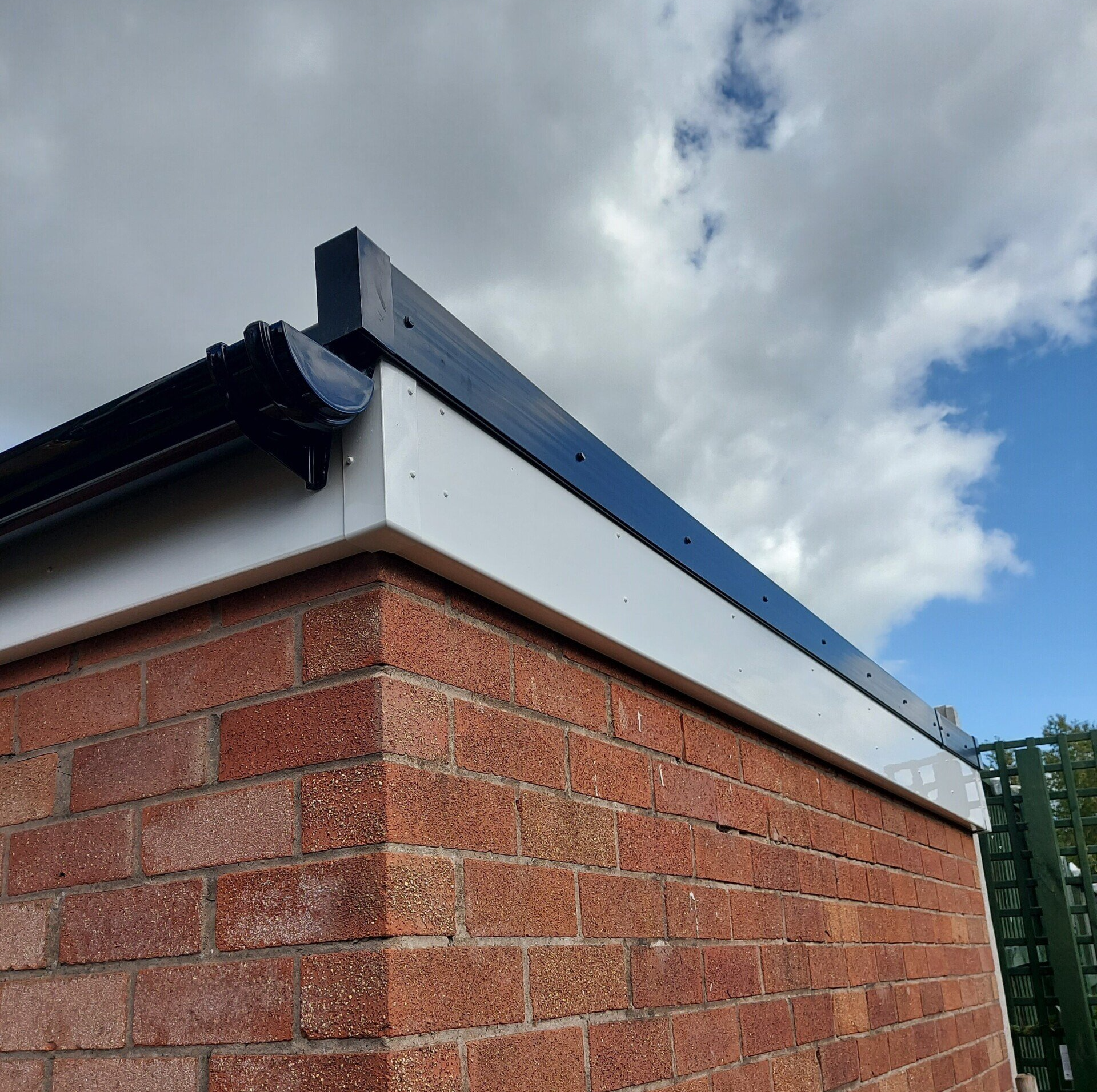
With 2026 starting with a burst of cold, wintry weather in the north of England, now is a good time to consider what damage snow and sub-zero temperatures can cause to your flat roofing in Manchester . One potential risk is the formation of ice dams – but what are ice dams, how do they cause damage and what can you do to prevent them? What are ice dams? As their name suggests, ice dams are areas of ice that prevent melted snow and ice flowing off of a roof. They form when the warmth from inside your home hits the roof, melting the snow and ice that has settled on the flat roof. This water then runs off the roof, but if temperatures are still below freezing, as it reaches the colder edges, it can re-freeze, creating a dam. These ice walls hold pooled water on the roof, rather than letting it escape – and it’s this that can cause the damage. On flat roofs, ice dams can also form around depressions in the roof – in other words anywhere that water can sit, you could end up with a pool that is unable to drain. They cause damage because standing water on your roof can seep into the underlying structure if there are any cracks or signs of damage in your roofing material. When ice dams form at the edges of roofs, they can also lead to damp penetrating walls if the pools of melted snow last long enough. How can you prevent ice dams from forming? The best way to prevent ice dams is to ensure that your roof is properly insulated. This will prevent the heat from your home melting the snow that’s accumulated on your flat roof while the outside temperature is still below freezing. Keeping your gutters and drainage channels clear is also essential. This helps to ensure that any snow that does melt has somewhere to go and can safely leave your flat roof. It’s one of the reasons why cleaning your gutters in the autumn is a good idea.
If you’re exploring how to lower your energy bills and reduce your carbon footprint, you may be looking at the likes of solar panels for your home. But what if your property has a flat roof rather than a pitched roof? Can you still install solar panels on a flat roof? The short answer is yes, you can! In fact, it is often easier to install solar panels on a flat roof than it is to fit them to a sloped roof, which might make this an even more appealing avenue to explore when you’re looking at flat roof ideas . In many cases, you also don’t need planning permission to install solar panels on your flat roof. Of course, there are exceptions if you have a listed building or live in a conservation area, but if you own your house (different rules apply for flats too), you should be free to add solar panels to your home as you choose. There are different kinds of mounting systems for flat roof solar panels and which is most appropriate for your home will depend on the direction it faces. It is worth noting that the cost of installing solar panels is often higher on flat roofs because of the mounting system, but some of this can be offset by the lower labour costs because the installation process is usually more straightforward. One of the main reasons homeowners install solar panels is to reduce their energy bills. Many report savings of hundreds of pounds each year, which means these panels often pay for themselves relatively quickly. What’s more, under the Smart Export Guarantee , you can sell any energy you don’t use back to the National Grid, which can increase the rate at which your investment in solar panels pays for itself. So, if you are exploring ways to make the most of your flat roof, consider solar panels as an option to reduce your energy bills and do good for the environment.
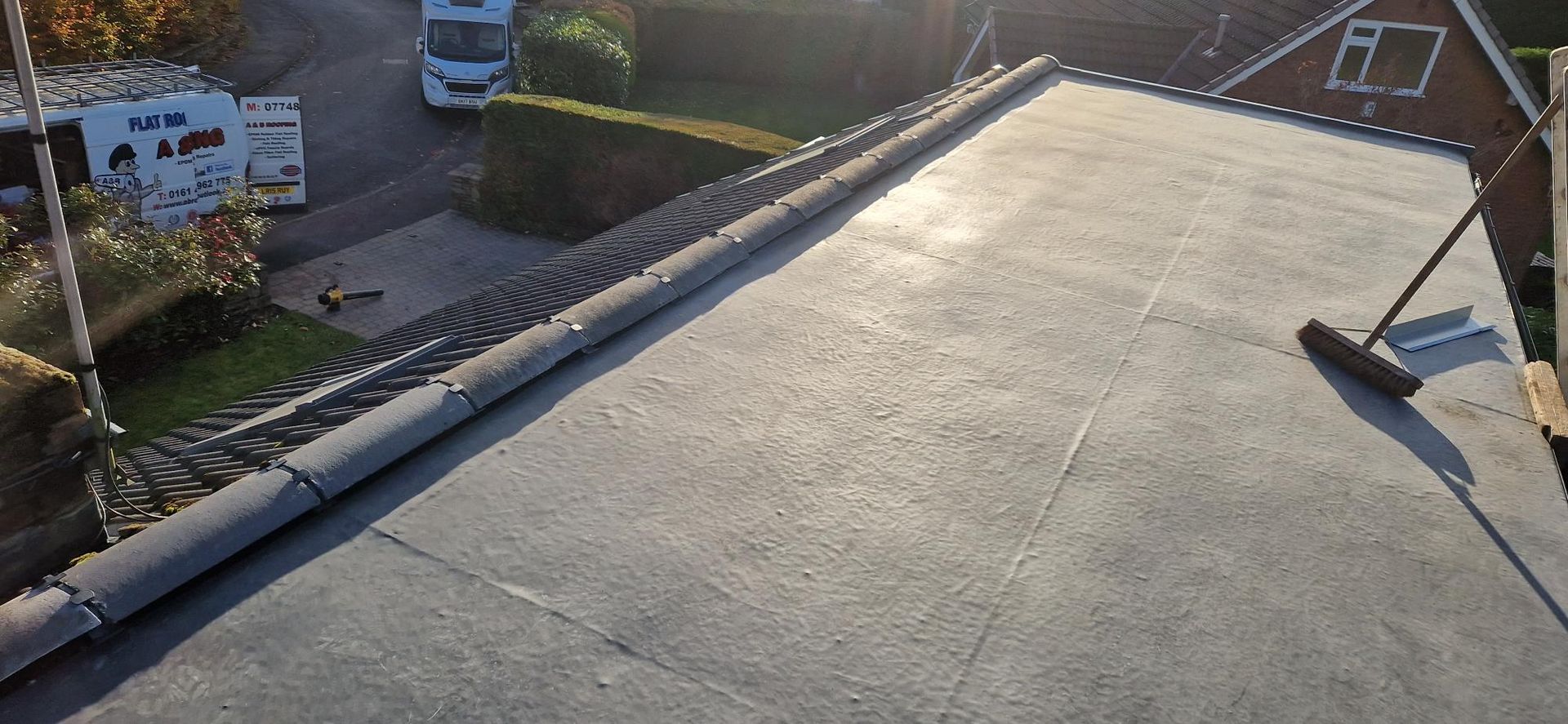
If you wondered if fitting EDPM rubber roofing in Stockport was a good idea, discovering what EDPM is and what its qualities are should leave you in no doubt.
Autumn may seem an odd time to start a flat roof garden, but it can be a great time to get it in shape, ready to bloom beautifully next spring and summer.
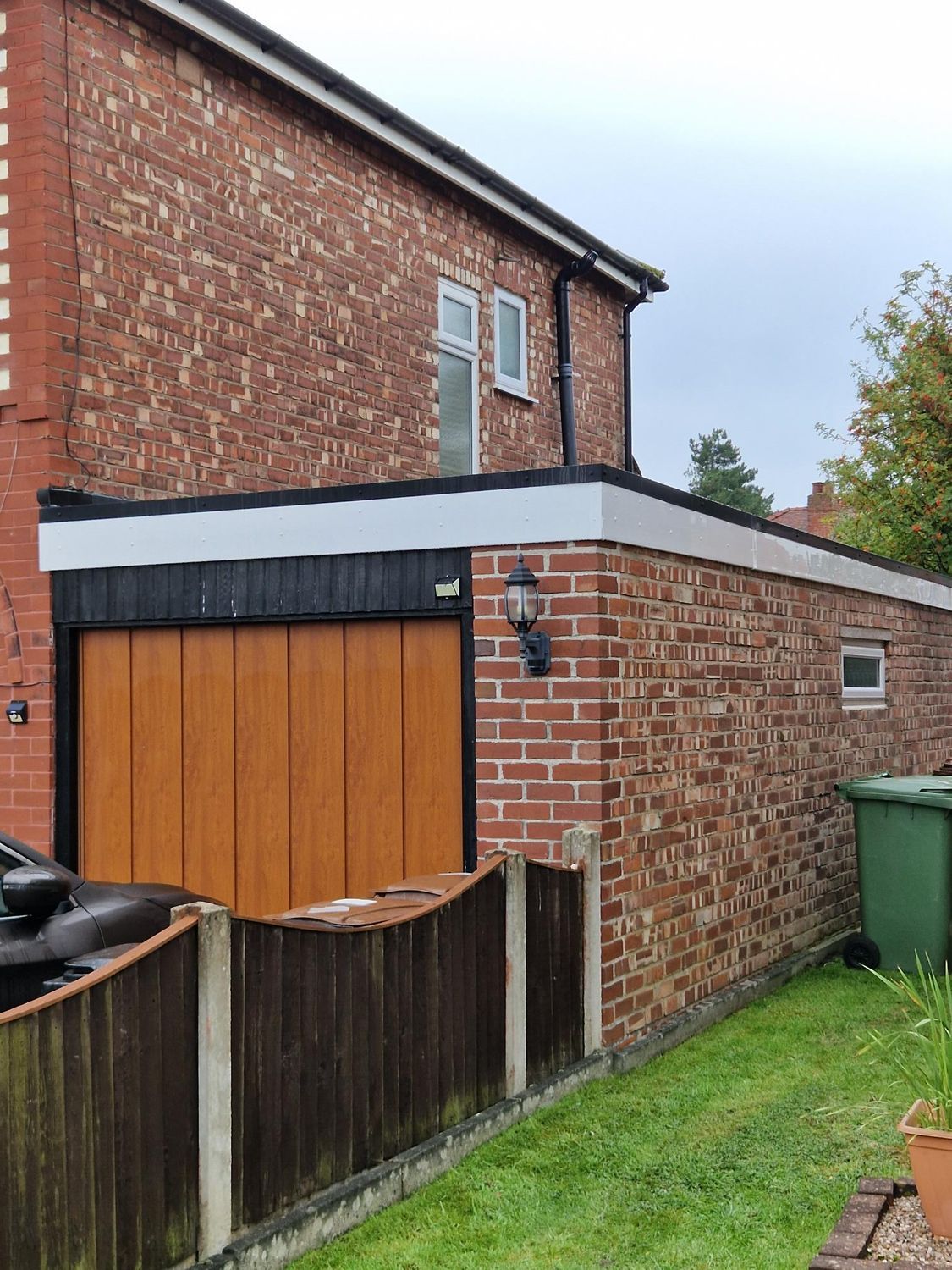
Find out how long different kinds of flat roofs last, as well as which materials offer the greatest longevity for your extension, home or garden room’s roof.
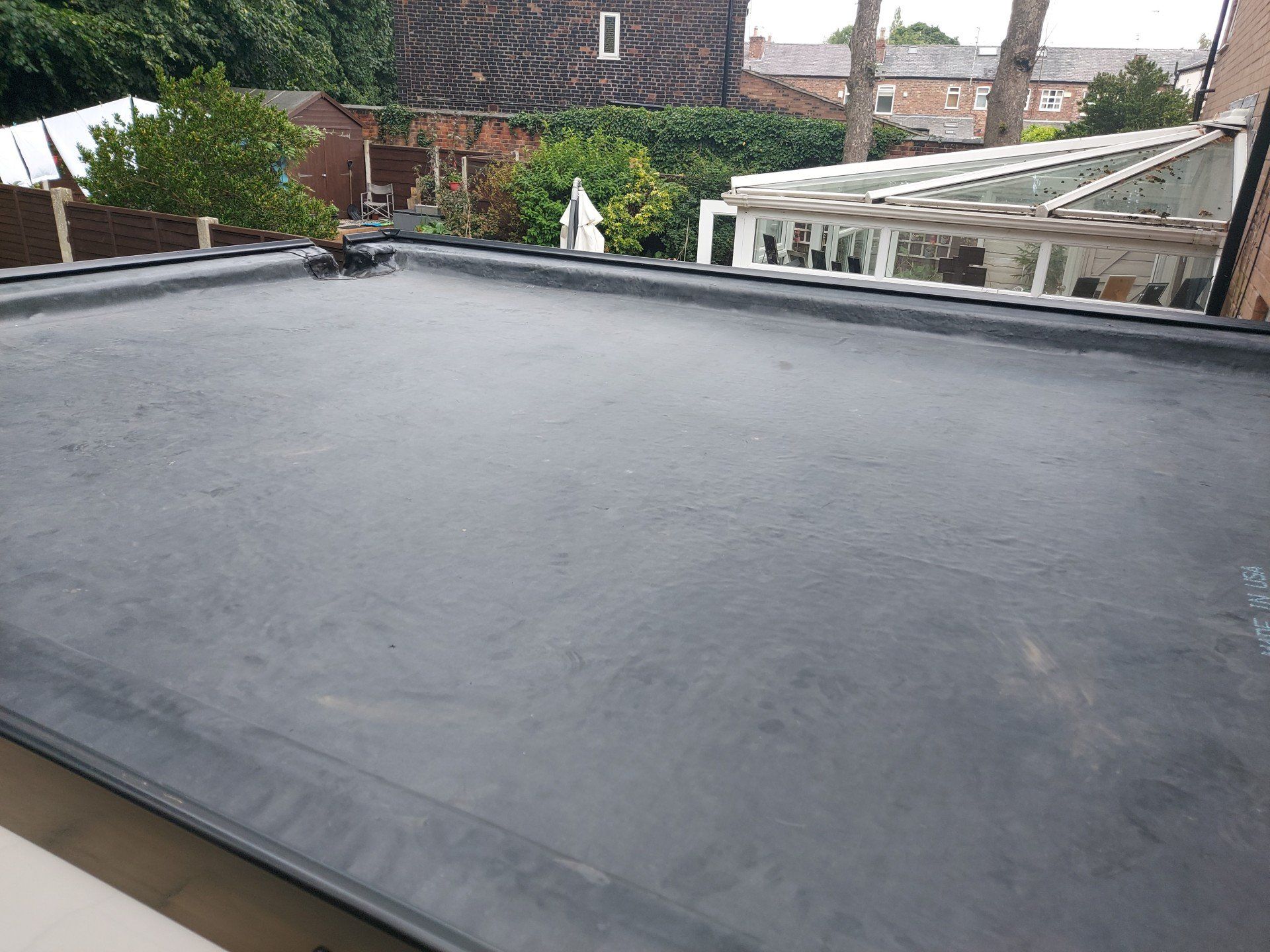
During heatwaves, urban areas can get unbearably hot compared to more rural locations, but discover how a sensible flat roof installation keeps your home cool.
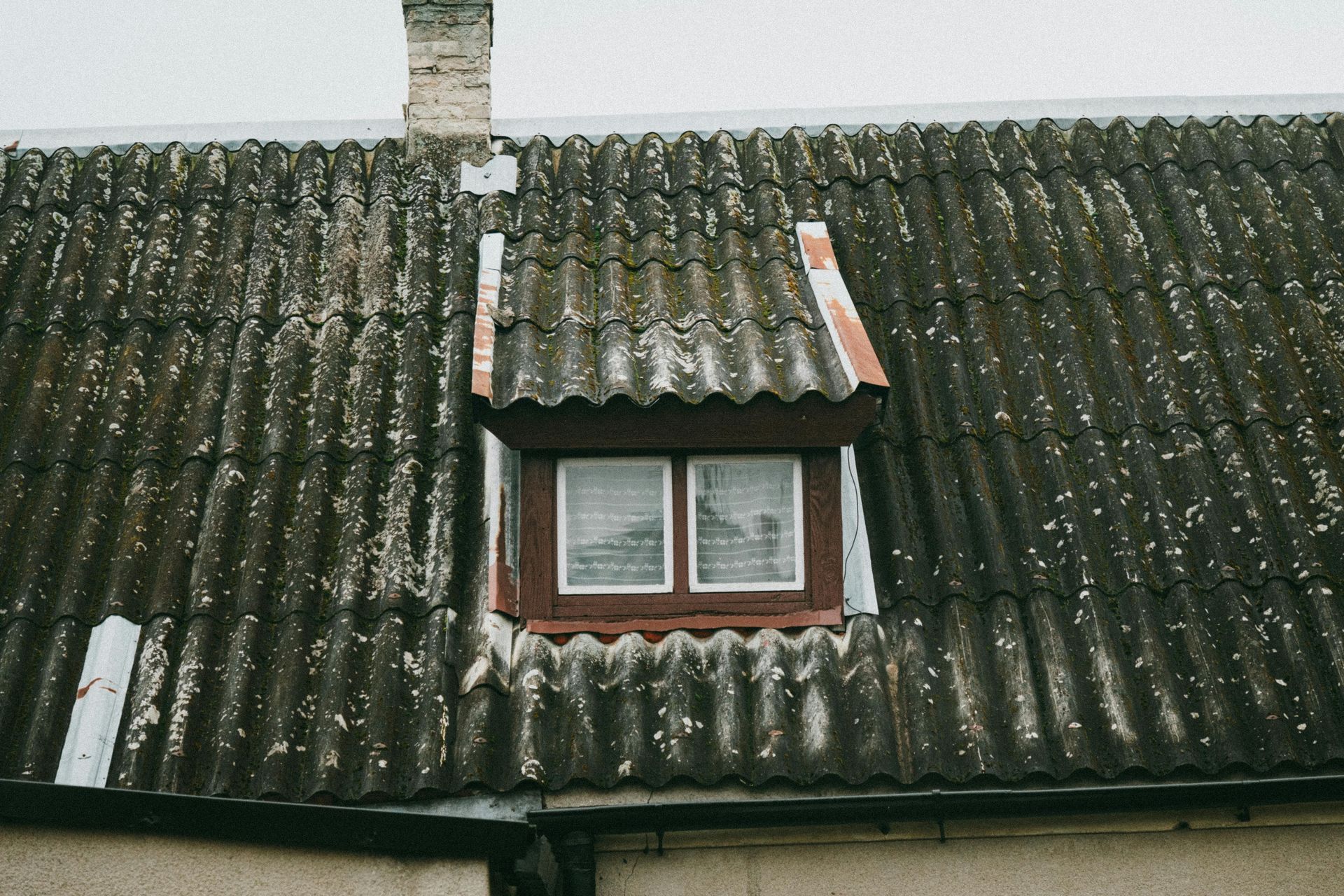
Asbestos roof removal work in Manchester needs to be undertaken safely, not just for your safety, but because failure to do so could lead to prosecution.
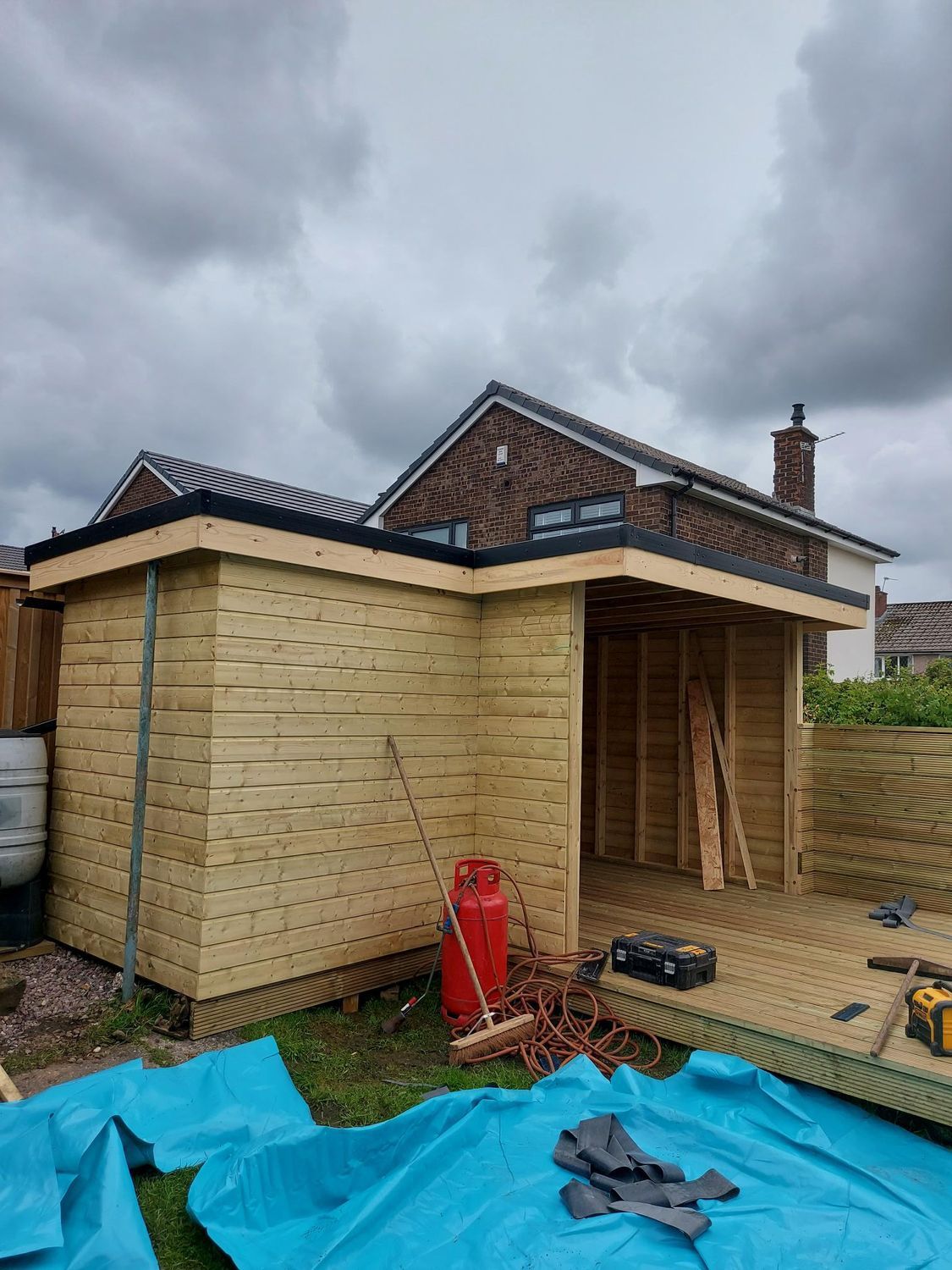
A specialist green flat roof is not only aesthetically striking but it also can provide a wide range of functional and even economic benefits to homeowners.