How Can Ice Dams Damage A Flat Roof?
With 2026 starting with a burst of cold, wintry weather in the north of England, now is a good time to consider what damage snow and sub-zero temperatures can cause to your flat roofing in Manchester.
One potential risk is the formation of ice dams – but what are ice dams, how do they cause damage and what can you do to prevent them?
What are ice dams?
As their name suggests, ice dams are areas of ice that prevent melted snow and ice flowing off of a roof.
They form when the warmth from inside your home hits the roof, melting the snow and ice that has settled on the flat roof. This water then runs off the roof, but if temperatures are still below freezing, as it reaches the colder edges, it can re-freeze, creating a dam.
These ice walls hold pooled water on the roof, rather than letting it escape – and it’s this that can cause the damage.
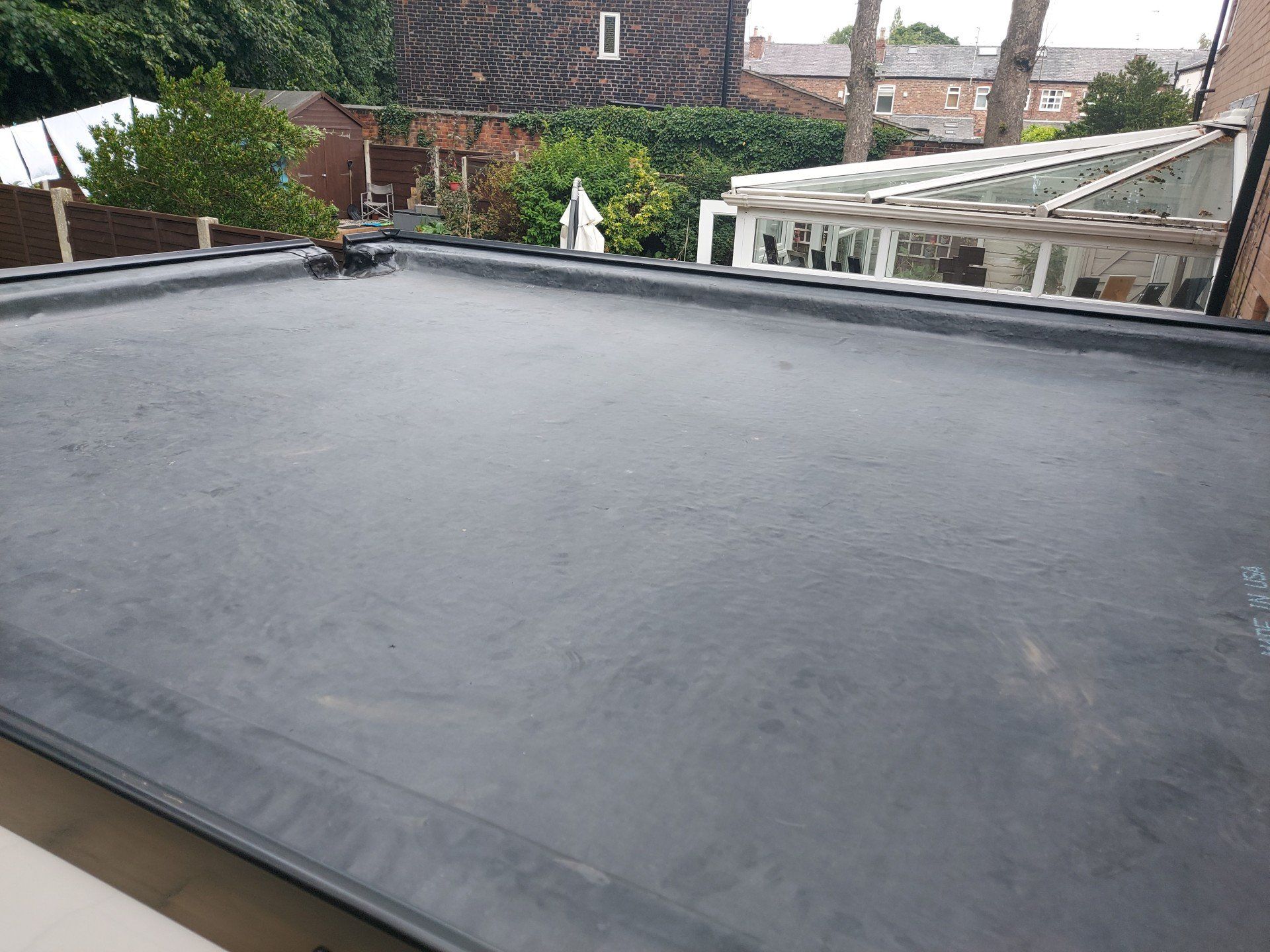
On flat roofs, ice dams can also form around depressions in the roof – in other words anywhere that water can sit, you could end up with a pool that is unable to drain.
They cause damage because standing water on your roof can seep into the underlying structure if there are any cracks or signs of damage in your roofing material. When ice dams form at the edges of roofs, they can also lead to damp penetrating walls if the pools of melted snow last long enough.
How can you prevent ice dams from forming?
The best way to prevent ice dams is to ensure that your roof is properly insulated. This will prevent the heat from your home melting the snow that’s accumulated on your flat roof while the outside temperature is still below freezing.
Keeping your gutters and drainage channels clear is also essential. This helps to ensure that any snow that does melt has somewhere to go and can safely leave your flat roof. It’s one of the reasons why cleaning your gutters in the autumn is a good idea.